Launched in 2022, the Cisneros Fontanals Art Foundation (CIFO) x Ars Electronica Awards continue to celebrate and advance the practices of emerging and mid-career Latin American artists who are reshaping the field of new media and digital art through innovative use of technology.
To support the realization of their work, this year’s awardees receive a total of 45,000 USD. Their works will premiere at the Ars Electronica Festival in Linz, Austria, September 9–13, 2026, and will subsequently enter the prestigious Cisneros Fontanals Art Foundation (CIFO)’s renowned collection which specializes in modern and contemporary Latin American art.
In its fifth edition, the awards are granted to Berenice Olmedo Peña (MX) and Lorena Solís Bravo (PE), selected from over 100 submissions representing 11 Latin American countries. The distinguished selection committee – consisting of Sergio Fontanella (Director of Operations & Collection, CIFO), Mónica Bello (Art Historian and Curator; former Director of Arts at CERN), Enrique Rivera Gallardo (Executive Director, Museo Interactivo Mirador), Christl Baur (Head of Ars Electronica Festival), and Laura Welzenbach (Head of Ars Electronica Export) — carefully reviewed all proposals. Their extensive deliberation ensured that the awarded projects reflect the most compelling and forward-thinking artistic approaches of the year.
In addition to the award recipients, the international jury recognized two further concepts that reached the final selection round: one by Indira Montoya and another by the collectives Arte+Ciencia and Bios ex Machina. Their remarkable proposals stood out for their compelling themes and critical engagement, highlighting the diversity of the Latin American creative scene.
2026 Winners
Sinécdoque / Berenice Olmedo Peña (MX)
30,000 US dollar prize money
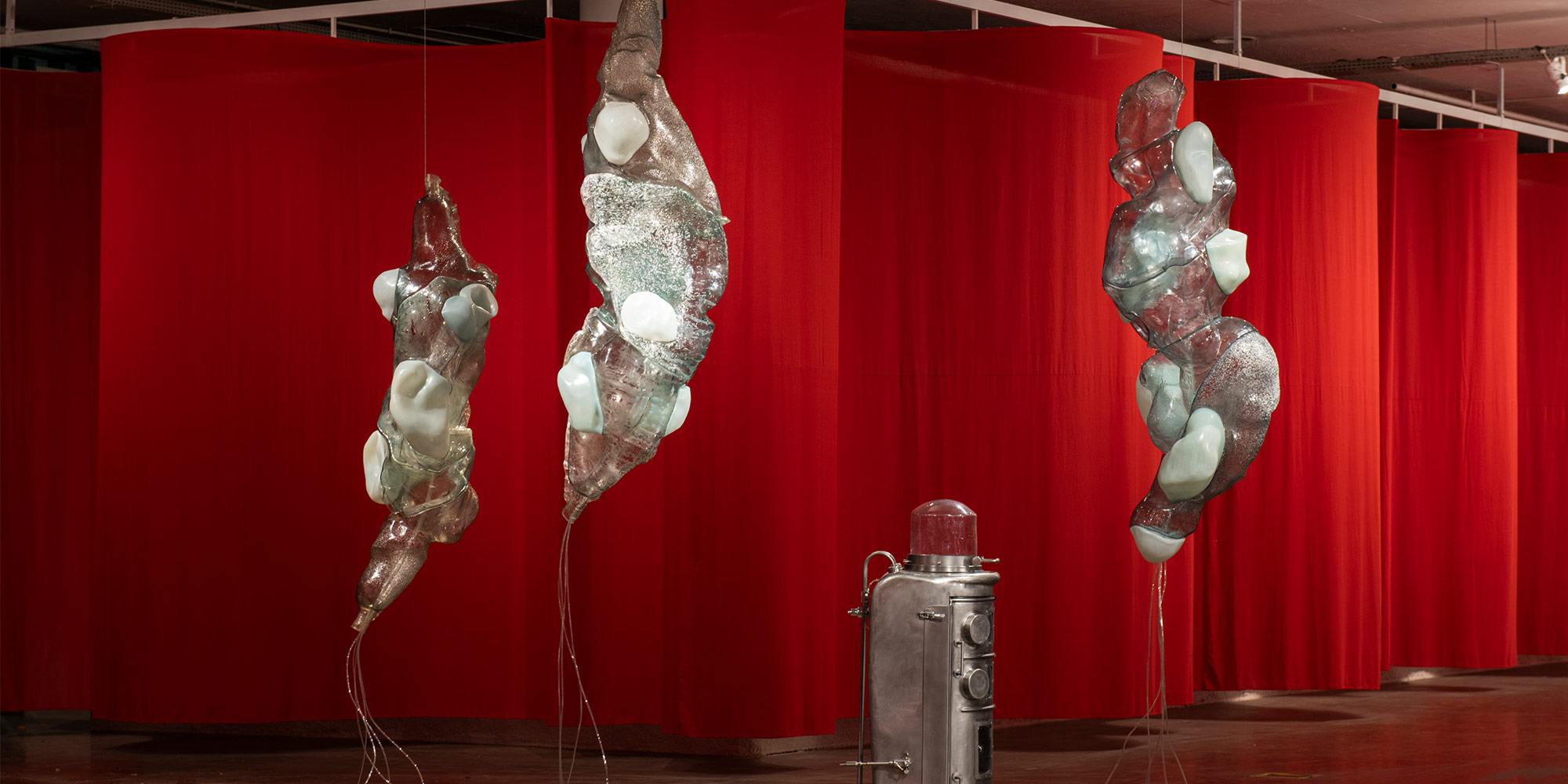
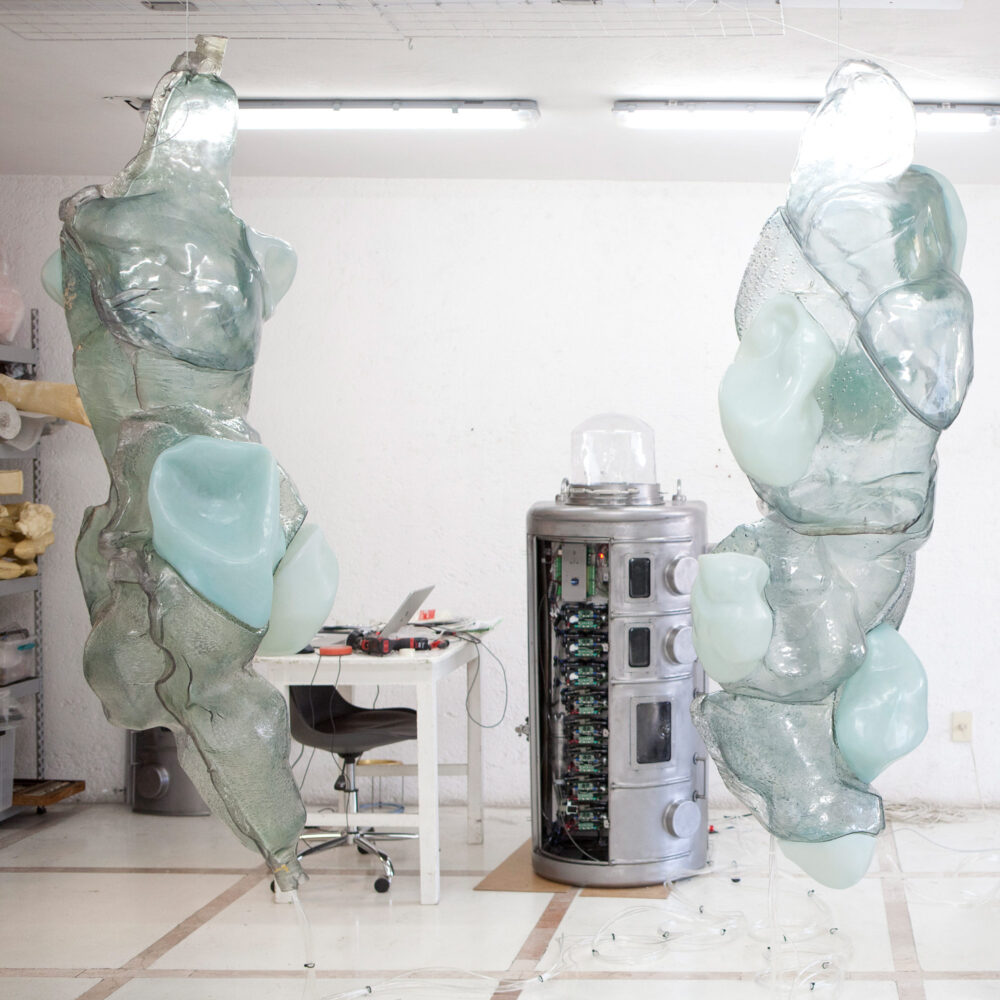
Berenice Olmedo’s project challenges the persistent Western myth of the human as an autonomous, self-sufficient whole. Drawing from disability studies and cyborg theory, she proposes disability as a fundamental human condition—one that exposes our deep, structural interdependence with others, technologies, and systems of care. In her view, humanity is inherently prosthetic: we are born incomplete and continuously reinvent ourselves through tools, devices, and relationships. Prostheses and artificial organs therefore cease to be “additions” and become material expressions of our capacity for transformation.
Since 2018, Olmedo has worked in rehabilitation centers, orthopedic workshops, and clinics in Mexico, creating mechatronic sculptures from used HKAFO braces, patient body molds, and digital scans of stumps and torsos. Her practice highlights the political and social dimensions of disability in a country marked by profound medical inequality, precarious healthcare access, high amputation rates, and chronic transplant shortages. At the same time, she collaborates with biomedical engineer Oliver Peters (Berlin Heart), integrating insights from contemporary organ-support technologies.
For this new phase, Olmedo takes inspiration from ex vivo perfusion, a cutting-edge biomedical process that keeps hearts, livers, lungs, and kidneys alive outside the body by circulating oxygenated fluids through them. This radical extension of life blurs the line between organism and machine, raising urgent questions about the future of corporeality. Her installation translates these ideas into sculpture by combining pneumatic systems, orthopedic–prosthetic materials, and replicated or deconstructed medical devices sourced from archival research and current technologies.
Photo: Michel Mallard
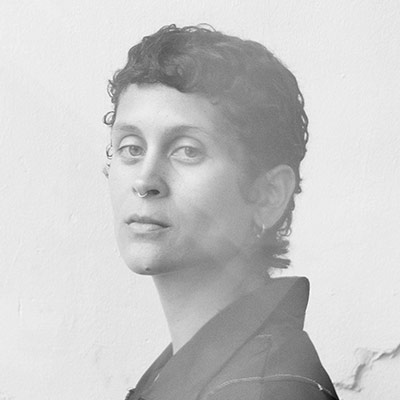
Berenice Olmedo (Oaxaca, 1987. Lives in Mexico City) is known for her sculptures and kinetic objects that incorporate prosthetics, orthotics, and materials from the medical field. Her works question the idea of bodily wholeness and address the political dimensions of disability, illness, and care. By reusing technical forms and devices, she reflects on the boundaries between the body, technology, and normativity. Her work has been shown at institutions such as Kunsthalle Basel, ICA Boston, Museo Tamayo and MUCA (Mexico City), CAPC Bordeaux, MMK Frankfurt, Dortmunder Kunstverein, Boros Collection (Berlin), TEA Tenerife, Eres Foundation (Munich), Bemis Center (Omaha), and Krannert Art.
jan-kaps.com/artists/berenice-olmedo
Entre Barros y Fragmentos / Among Mud and Fragments / Lorena Solís Bravo (PE)
15,000 US dollar prize money
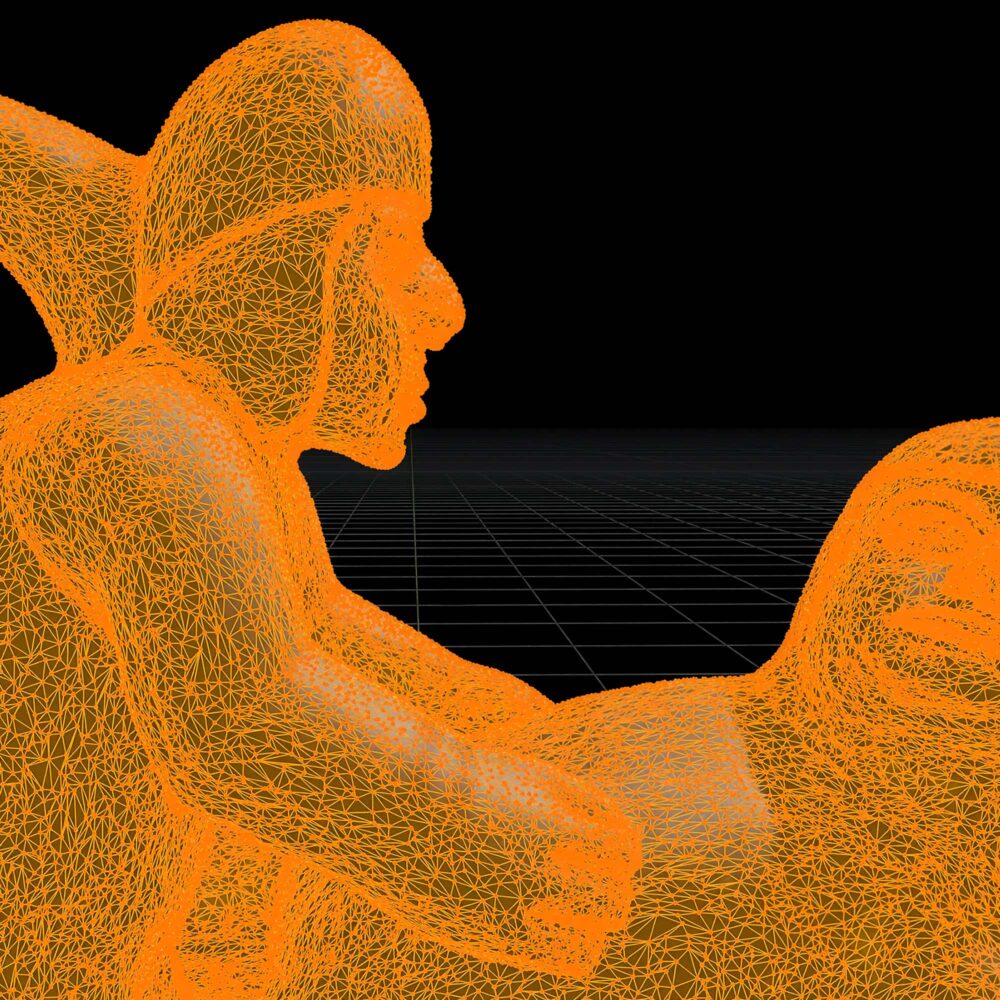
Entre barros y fragmentos is a decolonial, queer-archaeological project that revives the erased sexual histories embedded in Moche erotic ceramics from northern Peru. Responding to the colonial destruction and censorship of these vessels—many depicting non-binary and same-sex intimacy—the artist uses archival research, Andean epistemologies, and queer feminist theory to expose how heteronormative and colonial biases have shaped archaeological classification. The project retrains artificial intelligence as a tool for counter-archive making: a GAN model is fed images of huacos, field drawings, museum documentation, colonial chronicles, and oral histories in order to generate speculative new ceramic forms that imagine the past that Catholic morality attempted to erase. Rather than reconstructing “truth,” the work embraces speculation as a political method for repairing historical violence and restoring silenced forms of desire, embodiment, and knowledge.
Photo: Lorena Solís Bravo (PE)
Lorena Solís Bravo (1991, Lima) is a visual artist based in Amsterdam whose practice combines film, installation, sculpture, and research. Trained in Film at the London College of Communication and later at the Royal Academy of Art (KABK), they deepened their engagement with decolonial and Indigenous epistemologies through the 2025 Diplomado en Pensamiento Andino y Feminismos Decoloniales (GLEFAS). Maintaining strong research ties to South America, Lorena Solís Bravo frequently collaborates with scientists, local artists, and cultural institutions, with projects emerging from fieldwork in Amazonian and Andean territories. Their work has been exhibited internationally in New York, Bogotá, Amsterdam, and Brno, supported by organizations such as Mondriaan Fonds, Stroom, and AFK. They have completed residencies in Colombia, Slovakia, and South Korea, contributed to a forthcoming Valiz publication on Queer Ecology, and have taught or lectured at institutions including the Rietveld Academy, Kunstinstituut Melly, Waag Amsterdam, and Artez.
www.lorenasolisbravo.com
About Cisneros Fontanals Art Foundation (CIFO)
Ella Fontanals-Cisneros established the non-profit Cisneros Fontanals Art Foundation (CIFO) in 2002. The foundation’s mission is to support and foster cultural understanding and educational dialogue among Latin American artists and global audiences. CIFO serves as a platform for emerging, mid-career and established Latin American artists through the Grants & Commissions Program, including the new CIFO-Ars Electronica Award; the CIFO Collection; and other related art and cultural projects in the United States of America and internationally.