Story
-
The new Ars Electronica Platform Europe
The European Platform for Digital Humanism has been relaunched as Ars Electronica Platform Europe to foster collaboration for tech-driven change through art and to advocate for healthy democracies on the continent and beyond.
-
From Taiwan to Austria: Expanding artistic horizons
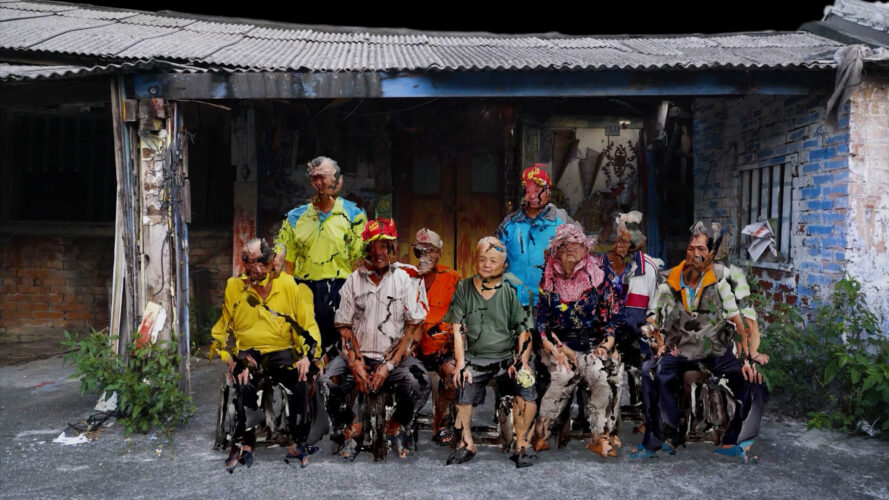
Projects arising from the collaboration with TAICCA and other Taiwanese partners bring AI reflection and artistic innovation to the Ars Electronica Festival.
-
“Do we just look, or do we see?”
Manuela Naveau, curator of the Kunstuni Campus at the Ars Electronica Festival and university professor of Critical Data / Interface Cultures, on seeing, dreaming, celebrating and a tower on the main square in Linz.
-
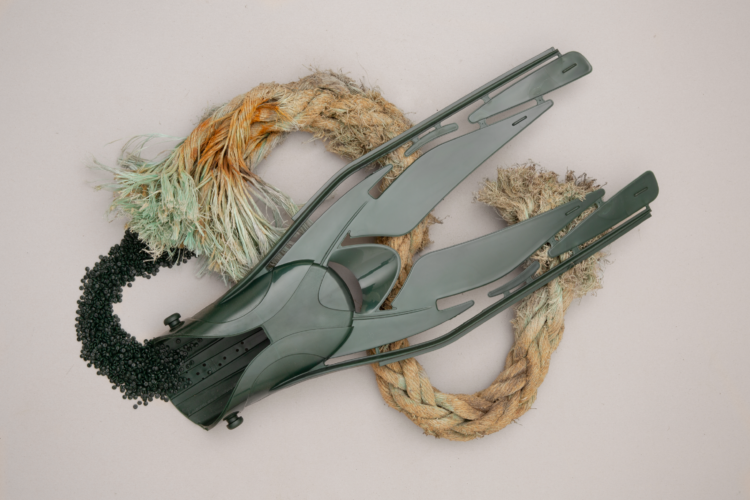
A circular model for the future
The Label4Future project aims to develop sustainable solutions together with companies – supported by digital transformation and innovative approaches from cultural and creative industries.
-
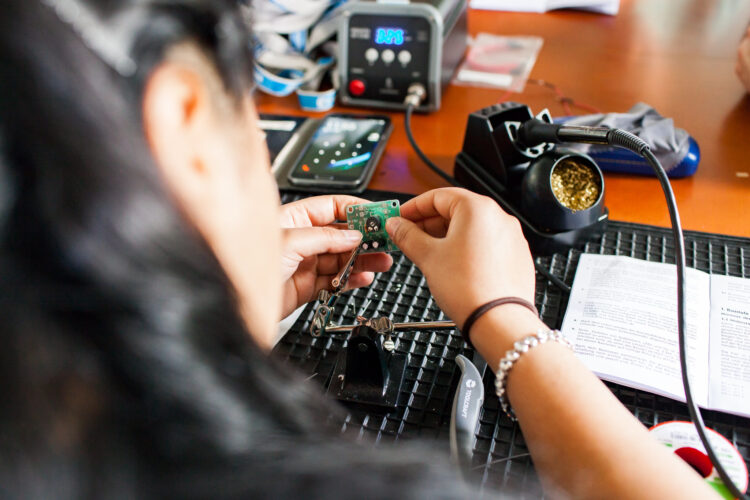
create your world festival: From hope to action. Between yesterday and today.
What does it really mean to shape the world? How do you find confidence in your ability to influence? What role does our mental health play in society? Who takes responsibility? Will we turn the tide?
-
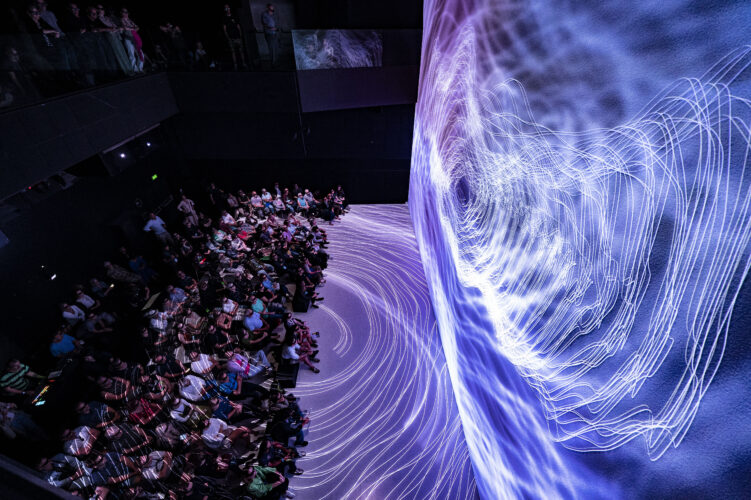
Exploring the world in Deep Space 8K
During the Ars Electronica Festival, numerous highlights will be presented in Deep Space 8K, promising inspiration, interaction and information.
-
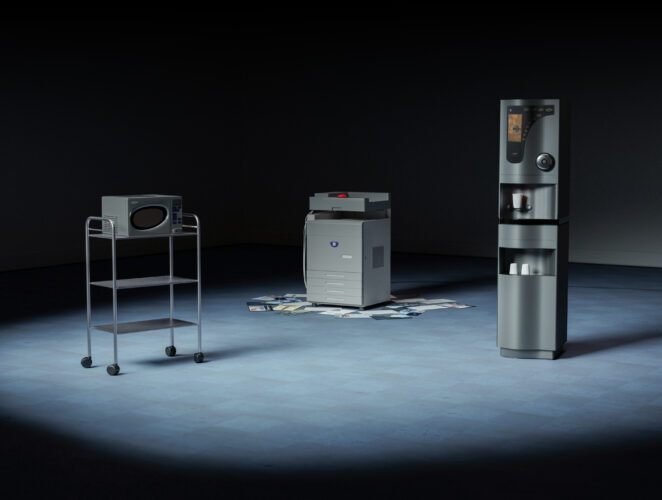
Prix Ars Electronica 2024: a question of the mindset
The Prix Ars Electronica exhibition is considered one of the highlights of the Ars Electronica Festival program. We were able to take a look behind the scenes and discovered some innovations as well as projects from the archive.
-
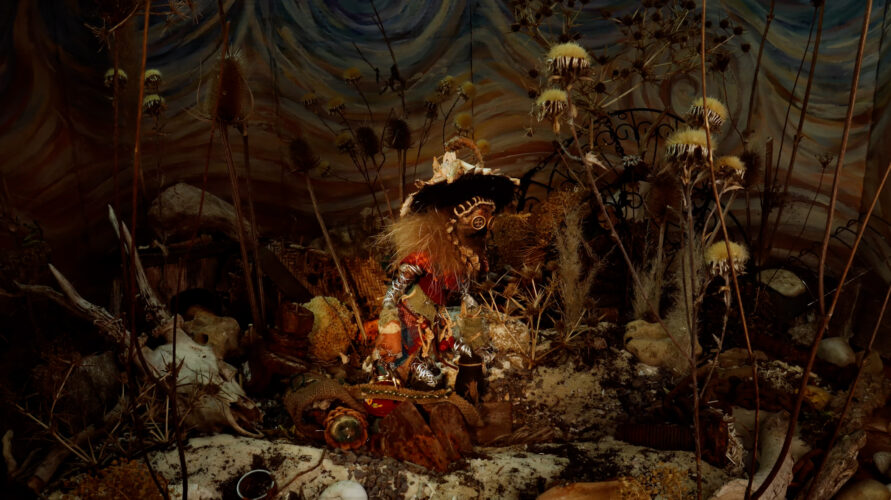
Ars Electronica Animation Festival: Digital Art as a Catalyst for Change
The Animation Festival 2024 presents current and socially critical productions in the field of digital animation.
-
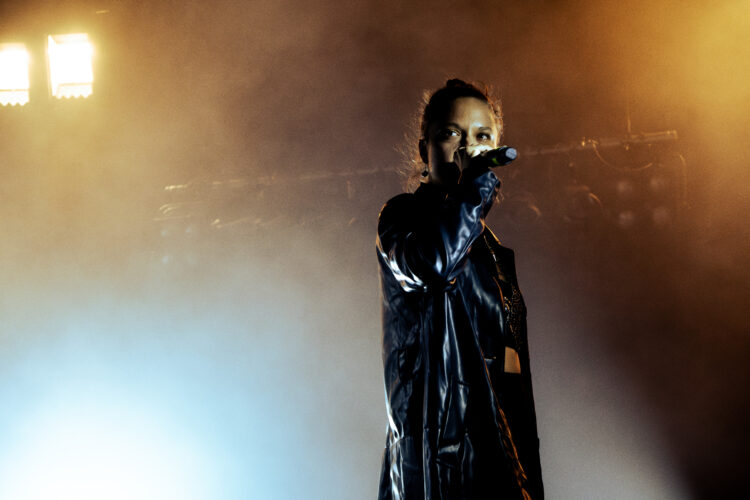
New Sounds from Switzerland: The Ars Electronica Nightline
In 2024, Ars Electronica Nightline will focus on innovative club music from Switzerland and offer a unique platform for Swiss artists.
-
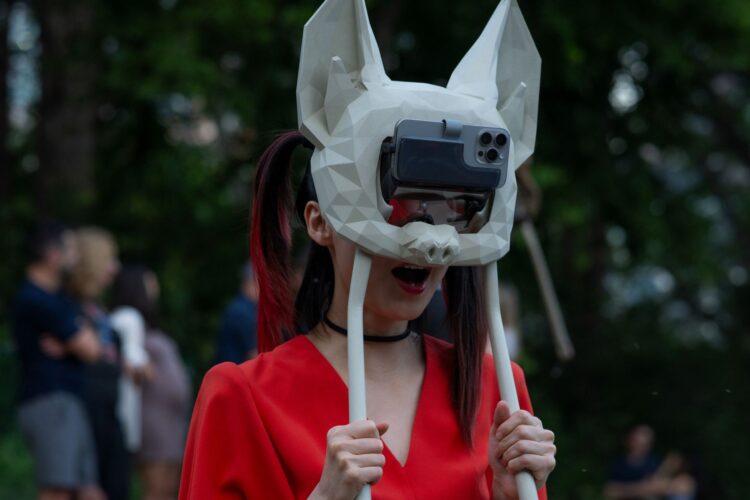
Ars Electronica Features: Beacons of Hope from Around the World
The Ars Electronica Features combine art and technology in close collaboration with partner institutions to showcase artistic programs and perspectives from around the world that initiate change.
-
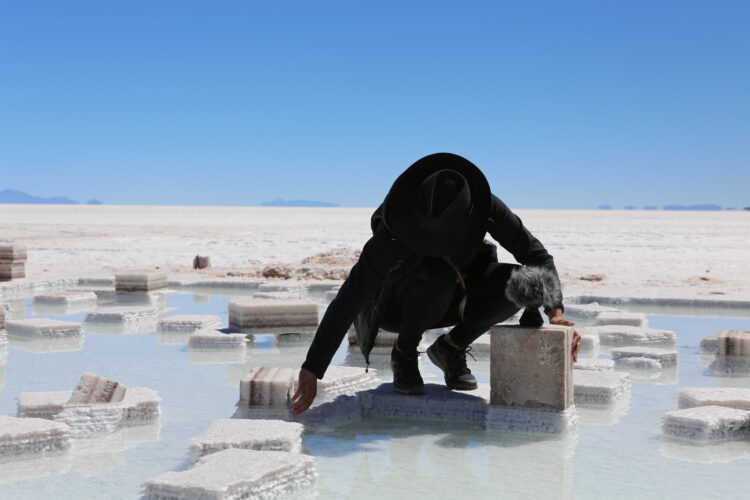
Bridging past, present and future: media art from Latin America
Artists honoured with the CIFO x Ars Electronica Award address environmental problems and present innovative projects.
-
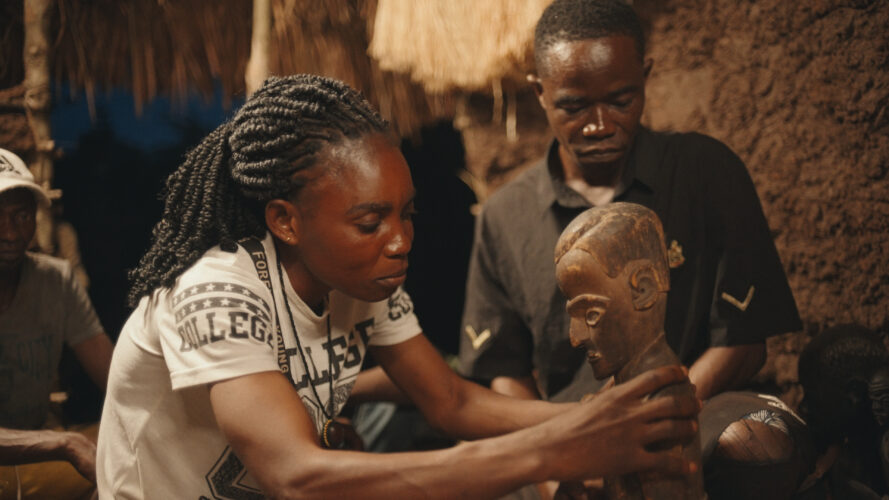
Preserving Heritage in the Digital Age
The Balot NFT democratizes digital cultural ownership and aids in reclaiming stolen land, using NFT technology as a decolonization tool in a new restitution model.
-

From Industrialization to Automation
“Calculating Empires” traces the entwining of technology and power over five centuries, showing how colonialism, militarization, automation, and enclosure operate today and might be unwound.
-
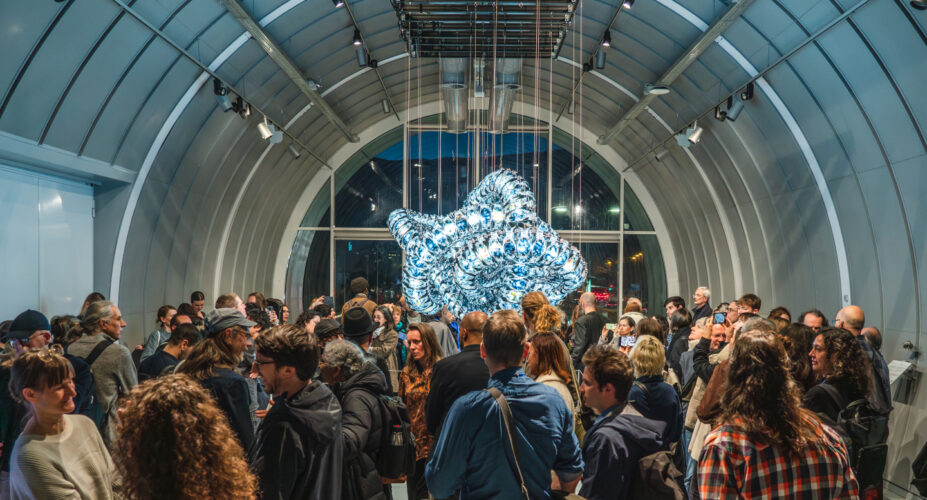
Artistic Explorations in Science
Arts at CERN, the arts programme of CERN in Geneva, has invited artists since 2012 to explore fundamental scientific questions alongside physicists.
-
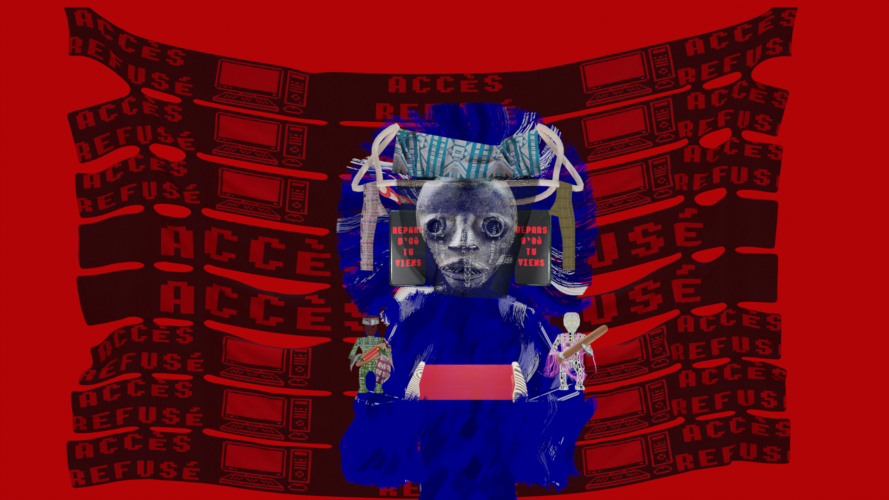
A Story of Arrangement
“You are part of a huge weave, that you cannot ignore anymore.” When you enter Diane Cescutti’s website and her work, you enter the world of weaving.
-
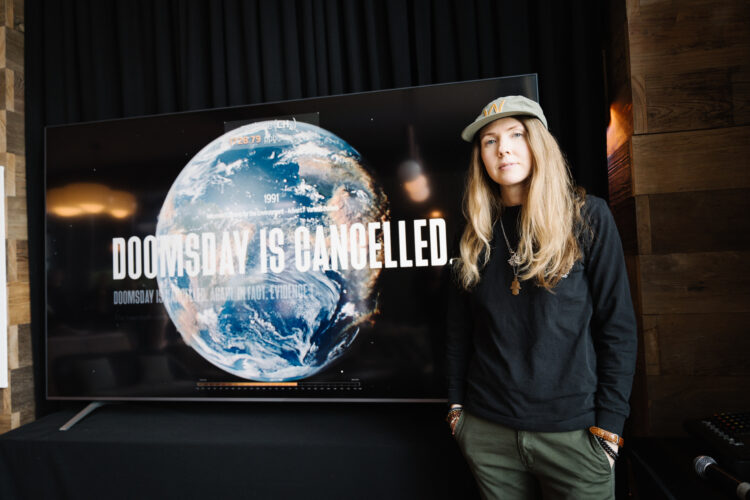
From Blue Marble to Bioplastic Record
“Smoke and Mirrors” by British artist Beatie Wolfe visualises 50 years of climate data and contrasts it with advertising slogans from the oil industry. She has now been awarded the Golden Nica of the Prix Ars Electronica for her work.
-

Art in the Storm of Flight
The project ‘Fluten der Freiheit’ highlights the moving and often life-threatening journey of refugees across the sea, bringing to life their risks and hopes in search of a better life.
-
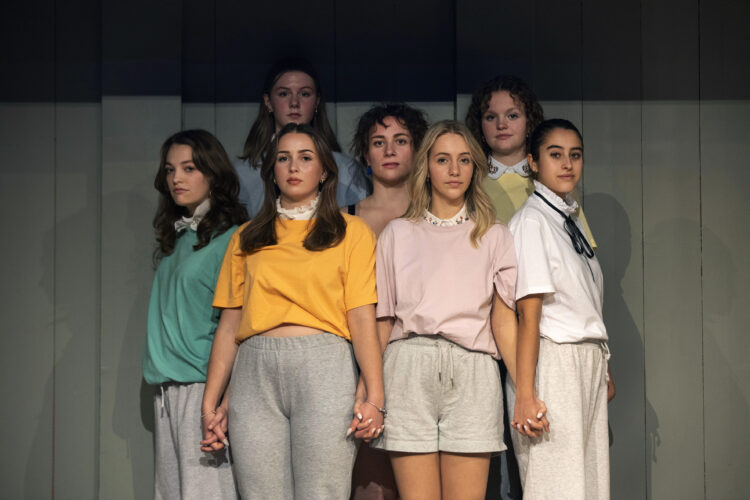
Taking Back Power: Patchwork Girl
The winner of the Digital Humanity Award sets an example against online exploitation and for women’s rights in the digital age.
-

Immersive Journeys Through Time
Ars Electronica is the future, cultural heritage is the past. Both tell of disruptive interrelationships at the intersection of art, technology and society. In Deep Space 8K, they enter into a unique symbiosis.
-
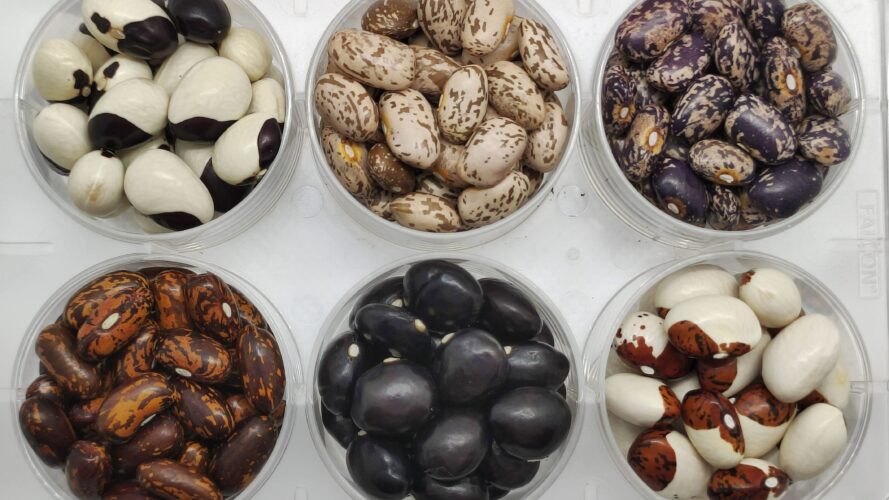
Fostering Plant Diversity Through Community Participation
The INCREASE project helps protect plant genetic resources by involving citizens in growing and tracking different types of beans, which boosts biodiversity and supports sustainable farming.
-
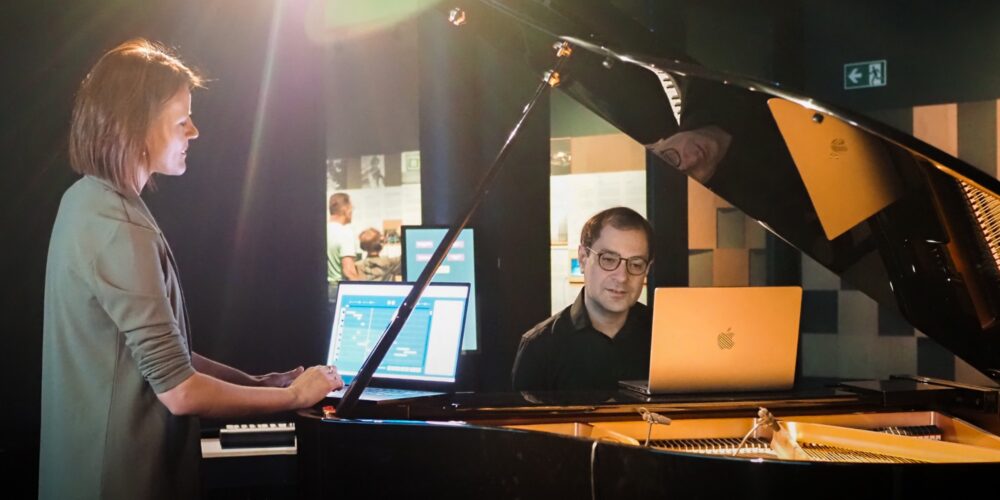
“Waltz Symphony”: Of humans and machines
Artificial intelligence and classical music merge seamlessly in the Waltz Symphony project. Composition students develop innovative orchestral pieces in dialogue with the AI application Ricercar.
-
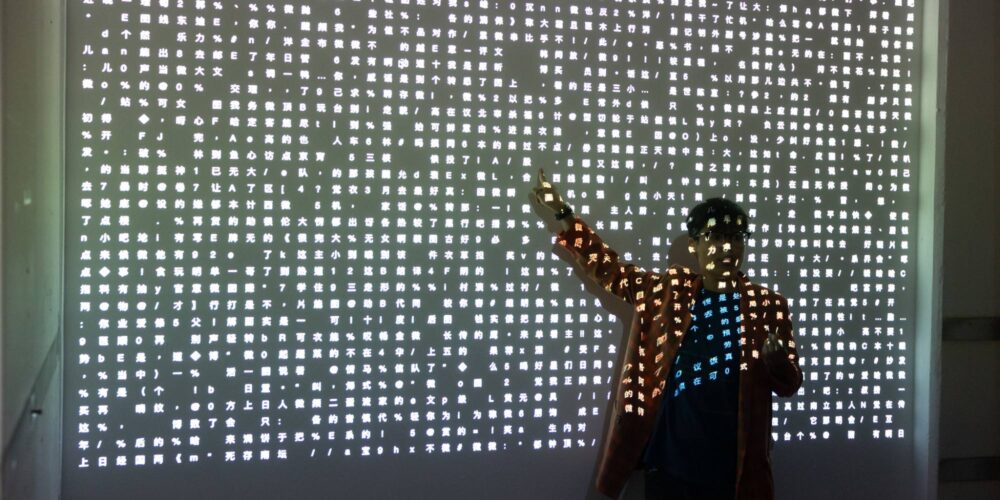
Borderline of Hope
Eunji Kwon has been selected as the second curator in residence for the Curatorial Residency Program enabled by ARKO. In this guest post, she reflects on the Prix Ars Electronica jury weekend from her personal perspective.
-
Beacons of hope in a changing world
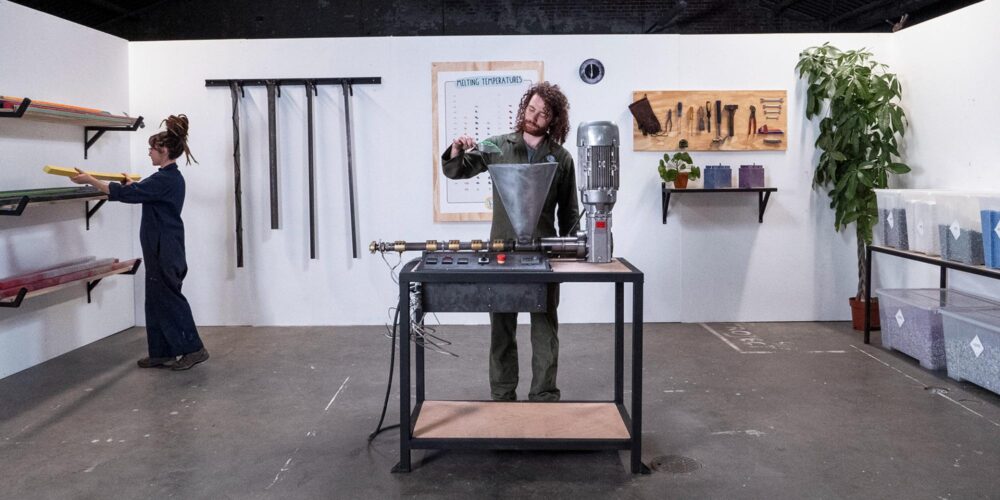
Under the title HOPE, the Ars Electronica Festival 2024 will focus on the people who give us cause for optimism.
-
Data Art in dialogue: Artistic Interactions with Technology and Society
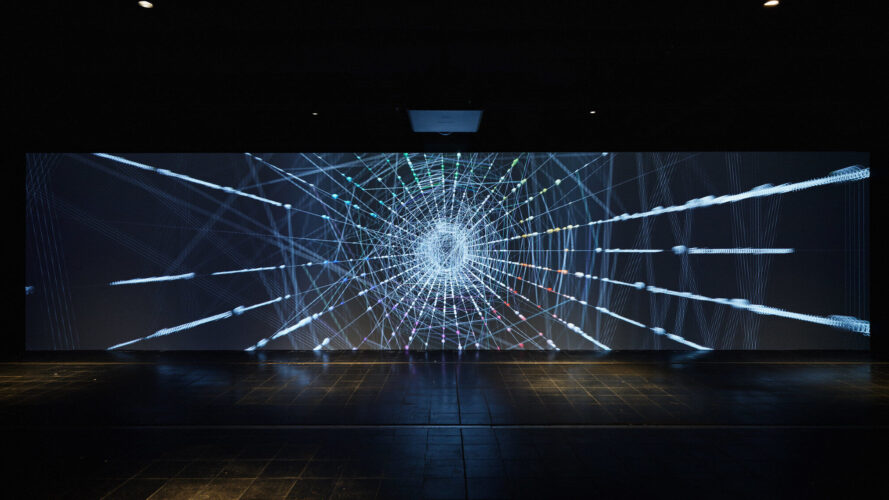
Data art transforms complex data into interactive, aesthetic works of art. In “Pulse of the EPO”, the Berlin duo Quadrature uses patent data to explore social and cosmic boundaries.
-
Fluid Sonic Spaces
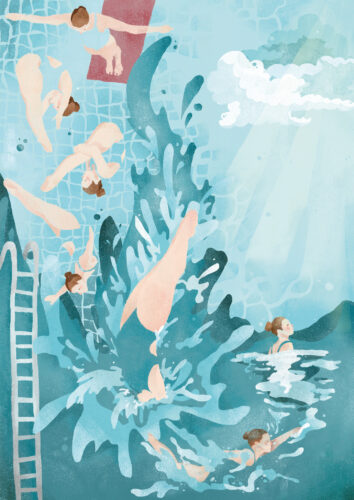
Space, sound and comics – students of the Master School of Communication Design Linz present colorful, animated and fluid comic sound collages.
-
Intersections of Technology, Society, and Environment in Mobility
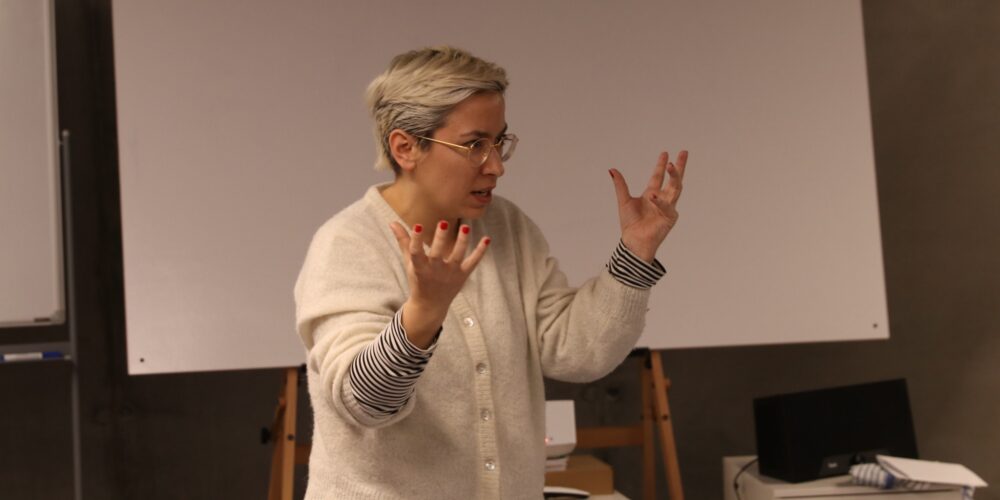
In the sixth and last chapter of the FOUNDING LAB Fall Term, students delve into the intersection of technology, society, and policy through the lens of mobility
-
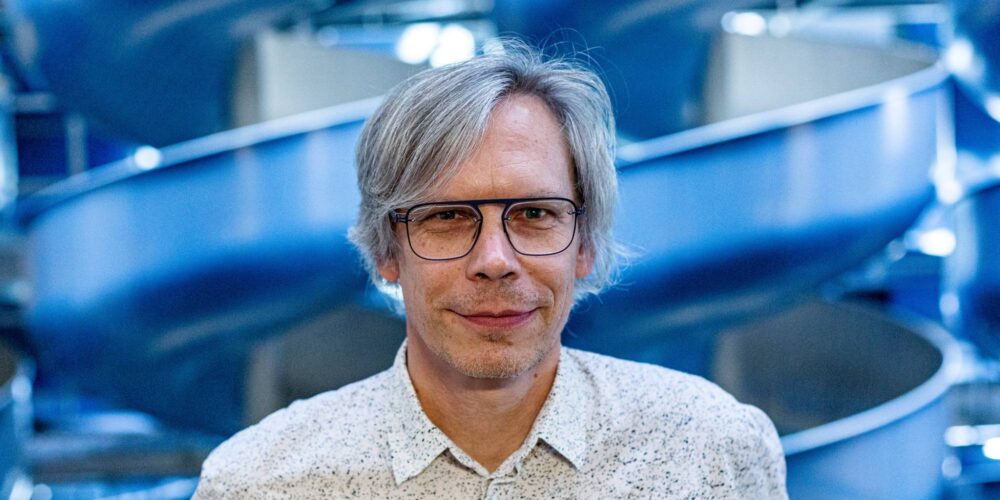
Interdisciplinary Urban Studies and Data Art
In our interview with Prof. Dietmar Offenhuber, we find out how important interdisciplinary approaches are in research and what role data plays in a digitalised world.
-
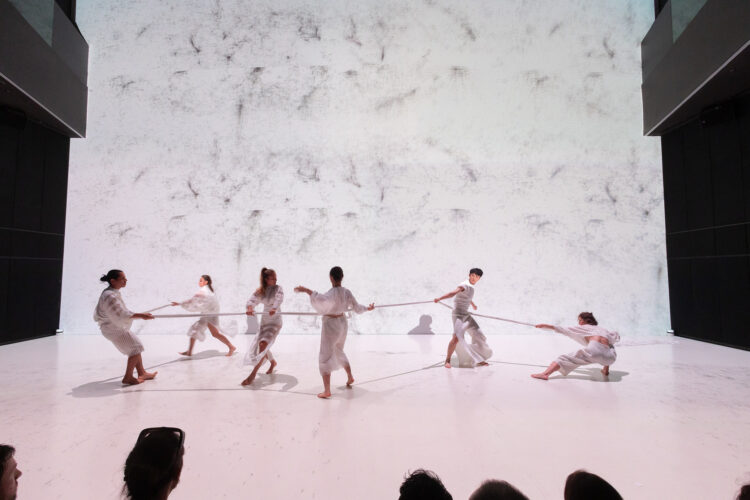
Ars Electronica Recap 2023: Unveiling Truths, Shaping Society and Innovating Education
As the year draws to a close, we look back on twelve months of intense social experiences, challenges, inspiring moments and exciting projects.